


5 Benefits of Custom Orthotics to Win at Life in 2026

July 21, 2026

Custom orthotics are prescription medical devices designed to support and comfort your feet by correcting biomechanical imbalances. Unlike mass-produced inserts, they are molded to your unique foot structure to treat conditions like plantar fasciitis and flat feet , providing superior alignment, pain relief, and improved mobility.

Why do my feet hate me and how can custom orthotics help?

If your feet had a voice, they would probably spend most of the day screaming at you. Think about it: they are the literal foundation of your entire existence, yet we treat them like the forgotten basement of a fixer-upper house. We shove them into pointy leather coffins (shoes), force them to stand on hard concrete for eight hours, and then wonder why our lower back feels like it was hit by a rogue tractor. The benefits of custom orthotics begin with the simple realization that your feet are not just flesh-flippers; they are complex architectural marvels with 26 bones and a whole lot of attitude.

Custom orthotics act as the ultimate peace treaty between your shoes and your skeleton. When you walk, your foot goes through a complex series of movements—pronation, supination, and occasionally the "I just stepped on a Lego" dance. If your foot structure is even slightly off, it creates a kinetic chain reaction that travels up to your knees, hips, and spine. By using custom foot orthotics, you are providing a structural correction that ensures every step is distributed evenly. This isn't just about cushioning; it’s about rebuilding the ground to meet your specific needs. It’s like giving your feet a personal assistant whose only job is to make sure they don’t have to work so hard.

The Science of Stealthy Support

Many people think that orthotic inserts are just fancy insoles, but that’s like saying a Ferrari is just a fancy tricycle. The science behind custom orthotics involves a detailed biomechanical evaluation. At Podiatric Care of Northern Virginia, we don’t just look at where it hurts; we look at why it hurts. We analyze your gait—the way you move—to identify where your arches are collapsing or where your heels are taking too much impact. This data is used to create a 3D model of your foot, ensuring that the finished product fits you and only you.

Key advantages of this precision include:

  • Biomechanical Alignment: Corrects the way your foot strikes the ground.
  • Pressure Redistribution: Moves weight away from painful areas like corns or ulcers.
  • Injury Prevention: Reduces strain on tendons and ligaments during exercise.
  • Enhanced Stability: Provides a solid base for better balance and coordination.
  • Custom Materials: Uses rigid or semi-flexible materials tailored to your activity level.

By addressing these factors, we aren't just putting a band-aid on the problem. We are literally re-engineering the way you interact with the planet. Whether you are dealing with Achilles tendonitis or general fatigue, the benefits of custom insoles are rooted in high-level physics and medical expertise, not just a soft piece of foam.

Man hiking happily on a trail in Northern Virginia

Are custom orthotics better than the $20 drugstore inserts?

We’ve all seen them: those brightly colored gel inserts in the pharmacy aisle that promise to make you feel like you’re walking on clouds. While those might provide temporary relief for a few days, they are essentially the "fast food" of foot care. They are cheap, they feel okay for a minute, but they don’t solve the underlying nutritional needs of your biomechanics. The biggest difference between store-bought and custom orthotics is the word "custom." A generic insert is designed for a "standard" foot—a mythical creature that doesn't actually exist.

When you buy a generic insert, you are getting a one-size-fits-all solution for a one-of-a-kind problem. If you have flat feet , a generic arch support might be too high or too low, actually causing more pain in your ankle . Custom orthotics, however, are medical-grade devices prescribed by a podiatrist in Leesburg . They are built to last years, not weeks, and are made from durable materials that won't flatten out like a pancake after a trip to the grocery store. Investing in custom support is the difference between wearing a tailored suit and a burlap sack with armholes. Both cover your body, but only one makes you look (and feel) like a functional human being.

Dealing with specific pains: Heel pain and Bunions

One of the most common reasons patients walk—or limp—into our office is heel pain . Often, this is caused by plantar fasciitis, a condition where the tissue connecting your heel to your toes becomes inflamed. It feels like stepping on a shard of glass every morning. Custom orthotics for heel pain are designed to take the tension off that tissue, allowing it to heal while you go about your day. It’s like giving your plantar fascia a permanent vacation while you still get to keep your job.

Similarly, if you are struggling with bunions , you know that every step can be a lesson in misery. While orthotics won't magically make a bunion disappear (that usually requires foot & ankle surgery ), they can significantly slow down the progression. By realigning the foot and reducing the pressure on the big toe joint, orthotics help manage the discomfort and keep you mobile. They also work wonders for neuromas and hammertoes by providing the necessary space and support to prevent nerves from being pinched like a grumpy aunt at a family reunion.

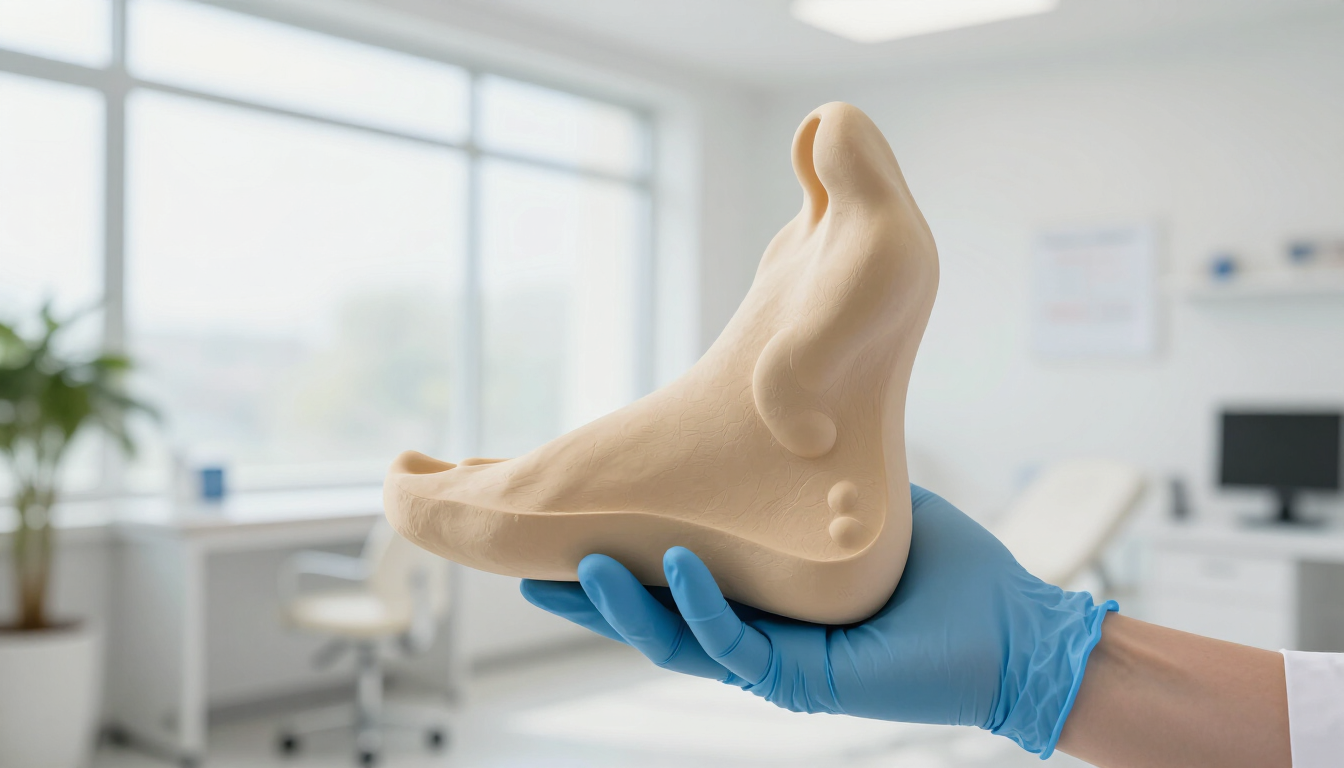
Podiatrist holding a custom foot mold

Can I wear custom orthotics in my favorite shoes?

This is the golden question. Many people fear that getting custom orthotics means they have to trade in their stylish footwear for those bulky, velcro-strapped "grandpa sneakers" that look like they belong in a 1980s nursing home. The good news? Modern custom orthotics are sleek, slim, and surprisingly versatile. We can design orthotics to fit into everything from athletic shoes used for sports injuries to dress shoes and even some casual flats.

Because they are custom-made, we can adjust the thickness and width of the device based on the shoes you wear most often. If you’re a marathon runner, we’ll build you something that can handle the high-impact stress of the pavement. If you’re a corporate warrior who spends all day in Oxfords, we can create a low-profile version that provides support without making your shoes feel like they’re two sizes too small. The goal isn't just to fix your feet; it's to fix your life, and that includes letting you wear shoes that don't make you want to hide in a dark room.

How do custom orthotics actually fix my posture?

You might be wondering what your feet have to do with the fact that your neck hurts after sitting at a desk all day. The answer is: everything. Your body is a tower, and your feet are the foundation. If the foundation is tilted, the rest of the tower has to lean to compensate. This leads to "postural compensation," which is a fancy way of saying your body is working overtime to keep you from falling over. This creates unnecessary tension in your knees, hips, and lower back.

When you utilize the benefits of custom orthotics, you are essentially leveling the foundation of your "body tower." By correcting over-pronation (feet rolling inward) or over-supination (feet rolling outward), the orthotics allow your legs to align properly with your pelvis. Suddenly, your hips aren't tilted, your spine isn't strained, and your shoulders can finally relax. It turns out that the secret to better posture isn't just standing up straight; it’s making sure your feet aren't sabotaging your efforts from the ground up.

Long-term Investment in Your Chassis

Think of your body like a high-performance vehicle. You wouldn't drive a car for 20 years without ever checking the alignment or replacing the tires, would you? (Actually, don't answer that if you live in Leesburg—we’ve seen the traffic). Your feet are your tires, and they have to last you a lifetime. There are no trade-ins or upgrades available for your original equipment. Taking advantage of our services to get custom orthotics is a proactive way to ensure your "chassis" stays in peak condition as you age.

Custom orthotics are particularly vital for diabetic foot care , where preventing pressure sores and maintaining circulation is a matter of long-term health and mobility. But even if you aren't managing a chronic condition, the preventative benefits are massive. By wearing orthotics now, you are saving yourself from potential surgeries, chronic pain, and the indignity of having to ask your grandkids to help you walk to the mailbox. It’s an investment in your future self—a self that is hopefully still hiking, dancing, and walking the dog without wincing at every pebble.

Summary of Orthotic Wins

In conclusion, the benefits of custom orthotics extend far beyond simple comfort; they are a vital tool for total body health and alignment. By providing a personalized medical solution to biomechanical issues, custom orthotics effectively treat heel pain , improve posture, and prevent future injuries. Whether you are an athlete or someone simply looking to get through a workday without agony, these devices offer a level of support that generic inserts simply cannot match.

Takeaway Checklist:

  • Precision Fit: Molded specifically to your unique foot shape.
  • Pain Eradication: Targets the root cause of plantar fasciitis and bunions .
  • Body Alignment: Corrects the kinetic chain to relieve hip and back pain.
  • Durability: High-quality materials that outlast store-bought foam.
  • Versatility: Designed to fit into your existing wardrobe.

Ready to stop the foot-screaming? Contact Podiatric Care of Northern Virginia today to schedule your evaluation and start walking toward a pain-free future.

Summer sandals on a bright patio representing summer foot care
June 18, 2026
Keep your feet happy this summer! Expert summer foot care tips from Podiatric Care of Northern Virginia to prevent pain, swelling, and fungal issues.

By VIV Builder April 9, 2026
Stay active and pain-free this Foot Health Awareness Month. Learn about heel pain, orthotics, diabetic foot care, and sports injury treatment options.
By VIV Builder April 1, 2026
Achilles tendonitis can develop gradually, causing heel pain and stiffness that worsens over time. Learn the warning signs and how a podiatrist can help you get back on your feet.
By VIV Builder March 5, 2026
Ingrown toenails are a common foot condition that can start as a minor irritation and quickly become painful. Learn more about how we can help with ingrown toenails.
By VIV Builder February 19, 2026
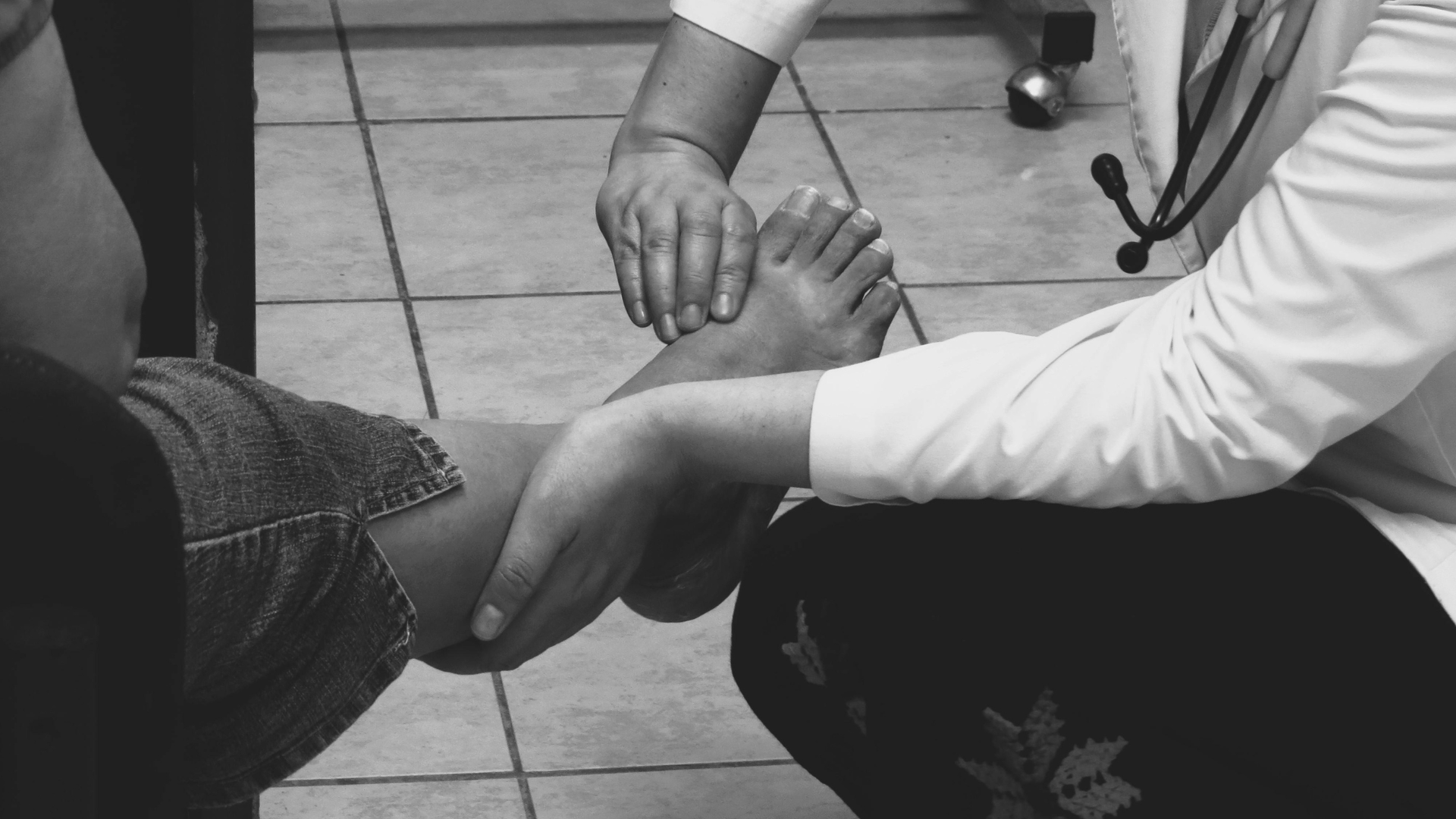
Ankle sprains are one of the most common foot and ankle injuries, yet they're often brushed off as no big deal. The truth is, even a mild sprain deserves proper care.
By VIV Builder February 5, 2026
Show Your Feet Some Love This February
By VIV Builder January 23, 2026
Understanding Podiatry Many people experience foot or ankle pain at some point, but they are not always sure where to turn for care. A podiatrist is a medical doctor who specializes in diagnosing and treating conditions of the foot and ankle. Their goal is to help patients move comfortably, stay active, and avoid pain that interferes with daily life. Podiatrists receive specialized medical training focused entirely on the feet and ankles. Because these areas support the entire body, even minor issues can have a big impact if left untreated. What Conditions Do Podiatrists Treat? Podiatrists treat a wide range of foot and ankle conditions for patients of all ages. From common concerns like heel pain and ingrown toenails to more complex issues such as sports injuries and diabetic foot conditions, podiatrists are trained to handle both routine and advanced care. They also address structural problems, skin and nail conditions, and injuries that affect mobility. By identifying the root cause of foot or ankle pain, podiatrists help patients find long-term relief rather than temporary fixes. When Should You See a Podiatrist? Foot pain is not something you have to live with. If you notice ongoing discomfort, changes in how you walk, or issues with your toenails or skin, it may be time to see a podiatrist. Early care can help prevent small problems from becoming more serious and can reduce recovery time. Patients with diabetes should also see a podiatrist regularly to help prevent complications and maintain foot health. What to Expect During Your Visit During a podiatry appointment, your provider will take time to understand your symptoms and lifestyle. They will examine your feet and ankles and may recommend imaging or other tests if needed. Based on their findings, they will create a personalized treatment plan tailored to your needs. Many podiatry treatments can be done in the office, allowing patients to return to normal activities quickly. Why Foot Health Matters Your feet play a major role in your overall health. Ongoing foot or ankle pain can lead to posture changes and strain on the knees, hips, and lower back. Proper foot care helps keep your entire body moving the way it should. Seeing a podiatrist is an important step in maintaining mobility and preventing future problems. Take the Next Step Toward Better Foot Health If foot or ankle pain is affecting your daily life, a podiatrist can help. With the right care and treatment, many conditions can be managed or resolved. Scheduling an appointment with a podiatrist is a simple step that can make a lasting difference in your comfort and mobility.
By VIV Builder January 9, 2026
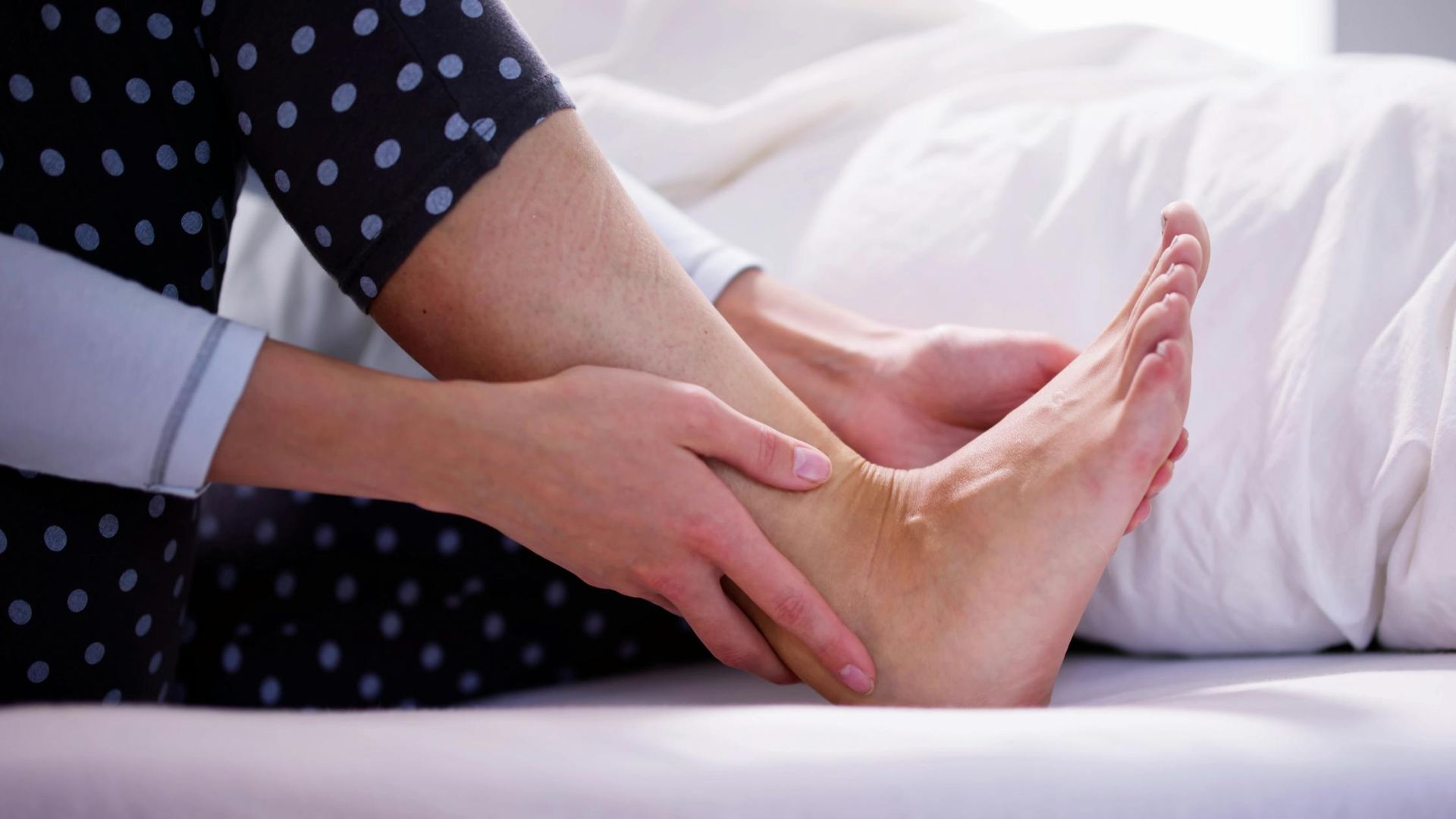
A New Year Shouldn’t Start With Pain The beginning of a new year often comes with fresh goals—being more active, feeling healthier, and getting back to routines you enjoy. But heel pain can quickly get in the way. When every step hurts, even small tasks can feel frustrating. Heel pain is one of the most common foot issues treated by podiatrists. Many people try to ignore it or hope it will go away on its own, but without proper care, heel pain often lingers or gets worse over time. Why Heel Pain Happens Heel pain can develop for several reasons, and it often builds gradually. One of the most common causes is plantar fasciitis, which occurs when the tissue supporting the arch of the foot becomes inflamed. Other causes may include strain on the Achilles tendon, wearing shoes without proper support, or spending long hours on your feet. Pain is often most noticeable in the morning or after long periods of rest. While it may ease as you move around, it tends to return and can worsen without treatment. Common Conditions Linked to Heel Pain While heel pain feels similar for many people, the underlying cause can vary. Some of the most common conditions include: Plantar fasciitis Heel spurs Achilles tendon irritation Overuse or repetitive strain injuries Identifying the exact cause is key to getting the right treatment and long-term relief. Why Early Treatment Matters Ignoring heel pain can lead to changes in the way you walk. Over time, this can place added stress on your ankles, knees, hips, and lower back. What starts as foot pain can turn into discomfort throughout your body. Seeing a podiatrist early can help prevent these issues and reduce recovery time. Most heel pain can be treated without surgery when addressed promptly. How a Podiatrist Can Help A podiatrist specializes in foot and ankle care and can create a treatment plan tailored to your needs. Treatment may include stretching exercises, custom orthotics, footwear guidance, or other therapies designed to reduce pain and inflammation. With the right approach, many patients begin to feel relief and regain mobility. Step Into the New Year With Confidence Heel pain does not have to define your year. With proper care and treatment, you can move more comfortably and get back to doing the things you enjoy. If heel pain is holding you back, schedule a visit with a podiatrist and take the first step toward a healthier, pain-free new year.
Custom Orthotics
By VIV Builder July 17, 2025
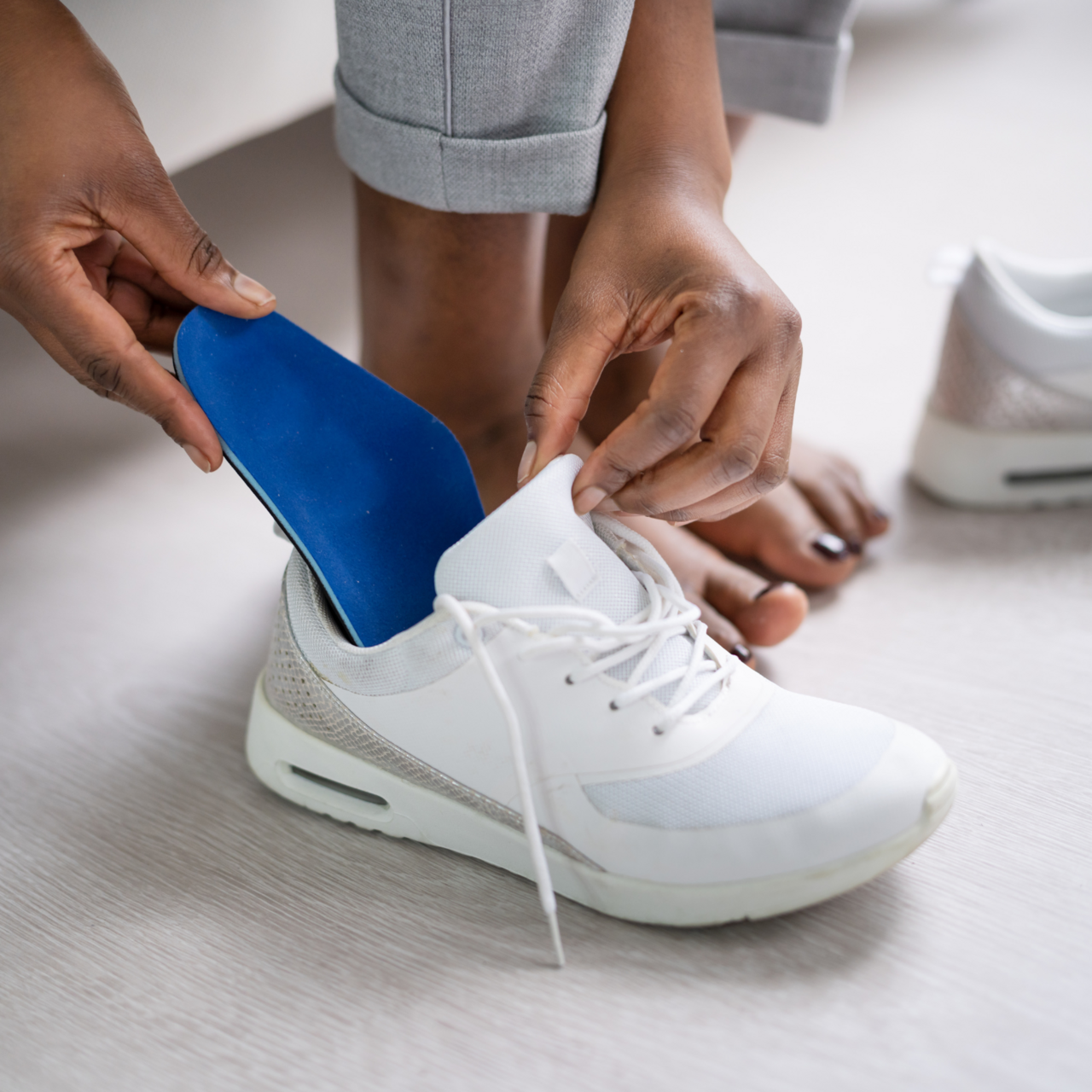
Your feet are the foundation of your entire body — when they’re not properly supported, it can lead to pain not just in your feet, but in your ankles, knees, hips, and back, too. That’s where custom orthotics come in!  What Are Custom Orthotics? Custom orthotics are medical-grade shoe inserts that are specifically designed for your unique feet, gait, and needs. Unlike over-the-counter insoles, custom orthotics are crafted based on a detailed assessment by your podiatrist, ensuring the perfect fit and support for your lifestyle. Who Can Benefit from Custom Orthotics? Custom orthotics can help people with: ✅ Flat feet or high arches ✅ Plantar fasciitis or heel pain ✅ Bunions or hammertoes ✅ Arthritis ✅ Sports injuries ✅ Foot, ankle, knee, hip, or lower back pain caused by poor alignment How Do They Work? Custom orthotics work by redistributing pressure and correcting misalignments, which helps your feet function properly and comfortably. They can also help prevent future problems by providing the support you need with every step. Ready to Feel the Difference? If you’re experiencing foot or lower body pain, custom orthotics may be the solution you’ve been looking for. Schedule an appointment today and let our foot specialists help you step into lasting comfort and support!
A woman is walking down a path in a park.
By VIV Builder April 10, 2025
Your feet are the foundation of your body, supporting you with every step you take. We understand that maintaining foot health is crucial to your overall well-being and mobility. In honor of April being National Foot Health Awareness Month, this blog explores why foot health should never be overlooked and provides tips for keeping your feet healthy. Why Foot Health Matters The human foot is a complex structure of 26 bones, 33 joints, and over 100 muscles, tendons, and ligaments. This intricate design allows for movements such as walking, running, and jumping. However, it also means that many things can go wrong if not cared for properly. Poor foot health can lead to a range of issues from simple aches and pains to more severe conditions like plantar fasciitis or diabetic neuropathy. Moreover, problems in your feet can affect other parts of your body, including your knees, hips, and back. Tips for Maintaining Healthy Feet Regular Check-ups: Just like regular dentist visits, regular check-ups with a podiatrist, especially during National Foot Health Awareness Month, can help catch foot problems before they become serious. Proper Footwear: Wear shoes that fit well and provide good support. Different activities require different types of shoes – what you wear for running is not suitable for a day at work. Foot Hygiene: Wash your feet daily, dry them thoroughly to prevent infections, and change socks daily. Stay Active: Regular exercise helps keep your feet and body healthy. Remember to stretch your feet and ankles before and after workouts. Manage Your Weight: Extra weight puts additional pressure on your feet, increasing the risk of foot disorders. Common Foot Conditions and Treatments Plantar Fasciitis: Often felt as heel pain, treated with exercises, proper footwear, and sometimes orthotics. Bunions: Misaligned big toe joints that can become swollen and tender. Treatment options include wearing comfortable shoes, pads, and in severe cases, surgery. Diabetic Foot Care: People with diabetes need to take extra care of their feet as poor blood circulation and nerve damage can lead to serious foot problems. We believe in a proactive approach to foot health. Whether you're an athlete, a busy professional, or enjoying retirement, taking good care of your feet is a step toward a healthier life. Celebrate National Foot Health Awareness Month with us and schedule an appointment today to learn how you can better care for your feet and enhance your overall wellness.
Show More